Grants
Biodiversity conservation and ecosystem services
Fire and Climate Resistant Islands: Bozcaada and Gökçeada
441,000 TRY awarded
Status: Closed
Project Duration: August 2024- November 2025
Challenge
The project addresses the environmental challenges of isolated islands, particularly Gökçeada and Bozcaada in Türkiye’s North Aegean region. These islands are ecologically fragile due to their high endemism rates and face threats from climate change, including increased drought and intensified fire regimes. These factors endanger local biodiversity and require urgent ecological management and conservation efforts.
Solution
The project aims to enhance the resilience of these island ecosystems against climate change and fire risks through nature-based solutions. It proposes evaluating the impacts of climate change on vegetation and developing post-fire ecological restoration strategies. The project seeks to implement resilient forestry and conservation practices tailored to the islands’ unique environmental challenges by conducting vegetation surveys, ecological modelling, and comparative analyses of ecosystem dynamics.
What the Project Achieved
1. First vegetation maps of both islands
The team used remote sensing and fieldwork to create the first complete vegetation maps of Gökçeada and Bozcaada, identifying all major habitat types for conservation planning.
2. In-depth ecological field survey
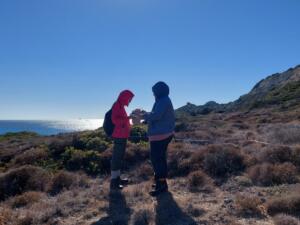
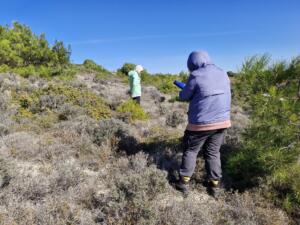
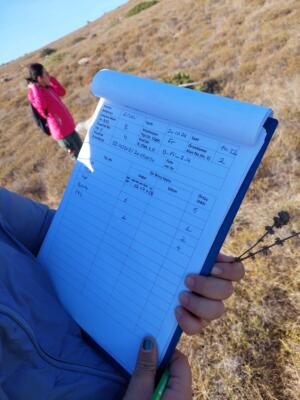
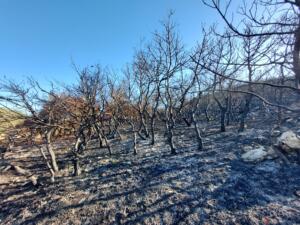
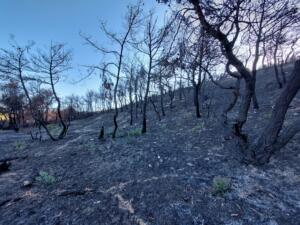
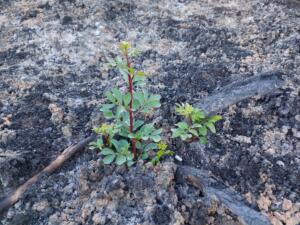
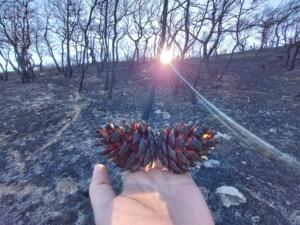
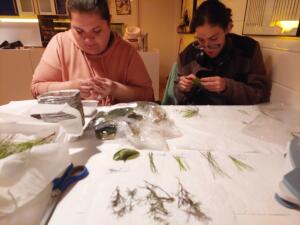
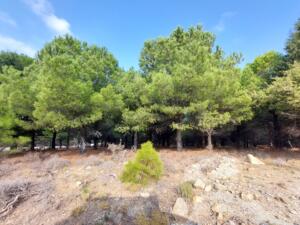
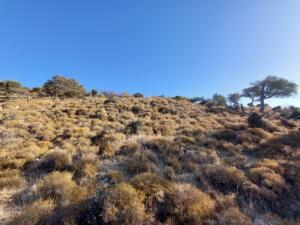
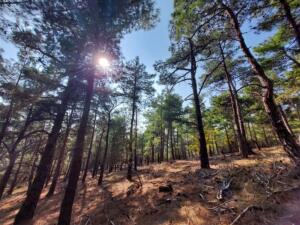
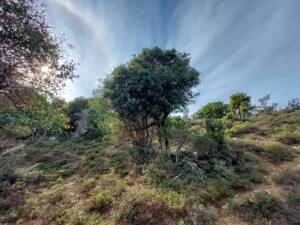
A 15-day field study documented plant diversity, vegetation structure, and post-fire regeneration across key ecosystem types.
3. Fire & climate resilience assessed
Analyses showed that frígana and maquis habitats regenerate fastest, while closed pine forests resist fire but recover more slowly. Mixed and open habitats show the greatest climate adaptability.
4. Future climate risks modelled
Climate projections indicate declining habitat suitability—particularly for pine and maquis areas—highlighting the need for climate-adaptive land-use decisions.
5. Practical restoration guidance produced
The team prepared a technical booklet and a national brochure with recommendations for fire-resilient forestry, post-fire restoration, and drought-tolerant species use, shared with OGM, DKMP, and regional forestry units.
About the organisation: The Eastern Mediterranean Research Association, established in 2016 by young scientists conducting research in natural sciences. The association aims to protect biodiversity, develop solutions to ecological problems, and promote a life shaped by ecological principles. In 2022, it received support from the United Nations GEF Small Grants Programme for two successful projects aimed at ecological restoration and forest fire communication workshops. In 2023, supported by the RUFFORD Foundation, the association studied the role of tree microhabitats in nature conservation at Yedigöller National Park.